

Inside the Metaverse Garage: How Virtual Worlds Are Reshaping Car Culture Forever
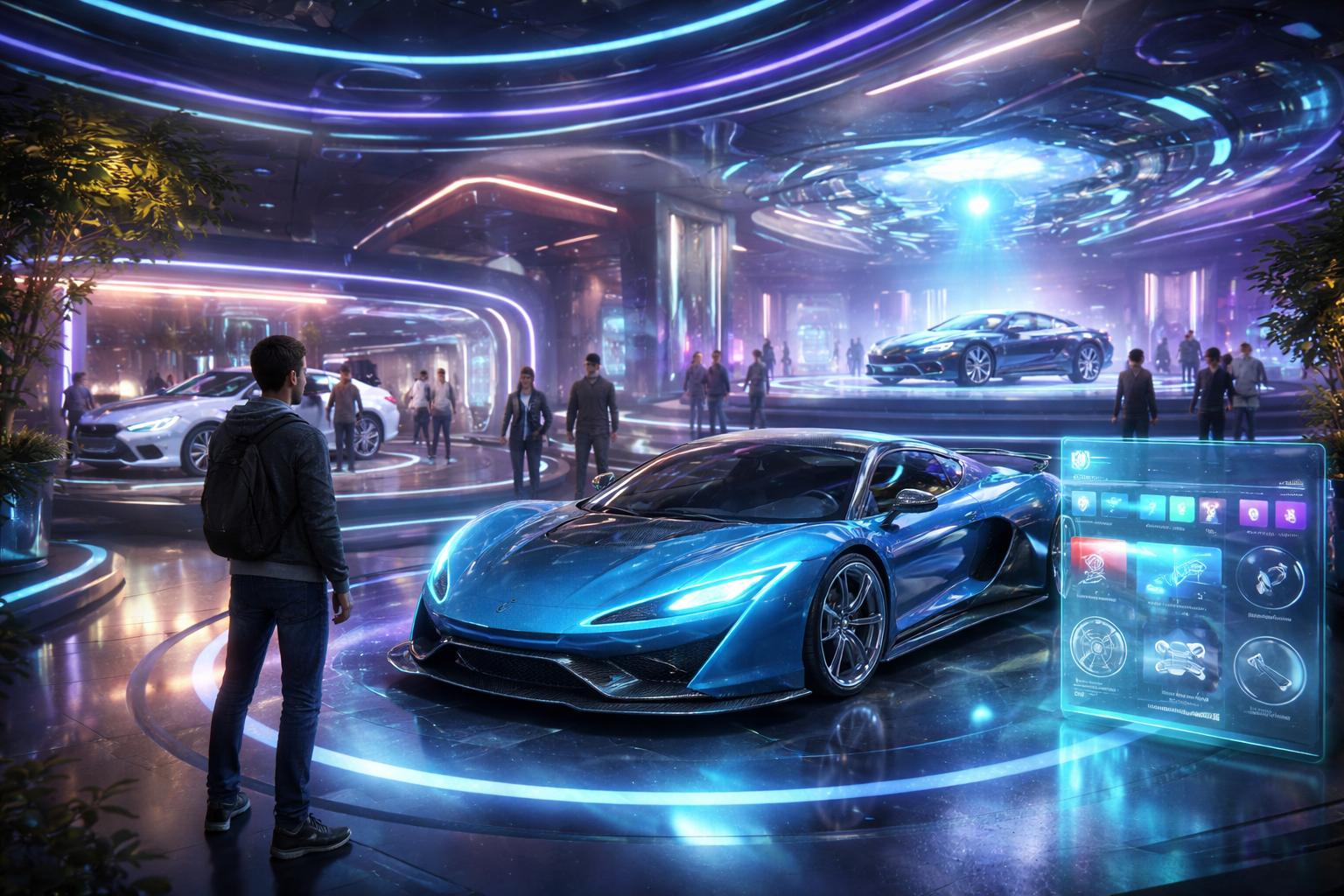
The automotive world has always been driven by emotion, identity, and innovation. From roaring engines to iconic silhouettes, cars represent far more than transportation. In recent years, this deeply emotional culture has begun to extend beyond physical roads and showrooms into digital realms. Metaverses are becoming new arenas where car brands, enthusiasts, and designers interact, experiment, and redefine what automotive culture means in the twenty-first century.
Virtual showrooms, digital exhibitions, and tuning simulators are no longer futuristic concepts. They are already shaping how people perceive brands, engage with vehicles, and even dream about ownership. The boundary between real and virtual automotive experiences is dissolving.
The Rise of Virtual Showrooms as Brand Storytelling Tools
Traditional car dealerships have long struggled with a fundamental limitation: space. Only a small number of models, trims, and colors can be displayed at once. Virtual showrooms inside metaverses remove this constraint entirely. A visitor can explore an entire lineup, customize vehicles in real time, and experience different environments without stepping outside their home.
These digital spaces are not merely replicas of physical showrooms. They are immersive brand narratives. Lighting, soundscapes, interactive animations, and even virtual test drives are carefully designed to evoke emotion. For luxury brands, this allows for storytelling that highlights heritage and craftsmanship. For innovative or electric brands, the focus shifts toward futurism, sustainability, and cutting-edge technology.
In metaverse environments, a user is not just a customer but a participant. This sense of agency significantly increases emotional attachment to the brand.
Virtual Auto Shows and the Reinvention of Exhibitions
Global auto shows have traditionally been massive, resource-intensive events accessible only to a limited audience. Metaverses offer an alternative that is global, inclusive, and endlessly adaptable.
Virtual auto exhibitions allow brands to unveil concept cars that may never exist physically. Designers are no longer constrained by safety regulations, manufacturing costs, or physics. This creative freedom enables bold experimentation and invites audiences into the imagination of automotive design studios.
For fans, virtual shows remove geographical barriers. Anyone with internet access can attend launches, explore concept vehicles, and interact with brand representatives or even AI-driven brand avatars. This democratization of access changes the power dynamic between manufacturers and consumers, fostering deeper engagement and dialogue.
Tuning Simulators and the Digital Customization Culture
Car tuning has always been a core element of automotive identity. In the metaverse, tuning simulators elevate this culture to a new level. Users can modify vehicles endlessly, experimenting with body kits, wheels, liveries, interiors, and performance upgrades without financial or mechanical risk.
These simulators often integrate real-world brands, creating a bridge between virtual creativity and physical products. A fan who spends hours customizing a virtual car may later seek out the same parts in real life. In this way, digital tuning becomes both a form of self-expression and a powerful marketing channel.
Beyond aesthetics, some simulators introduce physics-based performance modeling. This deepens understanding of how modifications affect handling, acceleration, and stability, making digital experiences educational as well as entertaining.
Community, Identity, and Belonging in Digital Car Spaces
Automotive culture has always thrived on community: car meets, clubs, and shared passion. Metaverses recreate and expand these social dynamics. Virtual car meets allow users from different countries to gather, showcase vehicles, and exchange ideas in real time.
Avatars, personalized garages, and digital collections become extensions of personal identity. Owning a rare virtual car or a limited-edition digital modification can carry social status within these communities, much like rare physical vehicles do in the real world.
For younger generations raised in digital environments, these experiences feel natural. Car culture is no longer tied exclusively to physical ownership but to participation, creativity, and shared enthusiasm.
How Metaverses Influence Brand Perception and Loyalty
Brands that embrace metaverses signal innovation, openness, and cultural relevance. A well-designed virtual experience can leave a stronger impression than a traditional advertisement. Instead of being told what a brand represents, users experience it firsthand.
This experiential approach builds trust and loyalty. When users invest time and creativity into interacting with a brand’s digital ecosystem, they form emotional connections that extend beyond products. The brand becomes part of their digital lifestyle.
Conversely, poorly executed virtual experiences can damage credibility. In the metaverse, authenticity matters. Users expect consistency between a brand’s digital presence and its real-world values.
The Future Intersection of Virtual and Physical Automotive Worlds
As technology evolves, the integration between metaverse experiences and physical vehicles will deepen. Virtual test drives may inform real purchasing decisions. Digital twins of cars could mirror real-time data from physical vehicles. Ownership of a physical car may include access to its virtual counterpart.
This convergence suggests a future where automotive culture exists simultaneously on highways and in digital worlds. The car becomes not just a machine, but a multi-dimensional experience spanning reality and imagination.
Conclusion: A New Road for Automotive Culture
Metaverses are not replacing traditional automotive culture; they are expanding it. By offering new ways to explore, customize, and connect, digital spaces enrich how people experience cars and brands. Virtual showrooms, exhibitions, and tuning simulators redefine engagement, creativity, and community.
As these worlds continue to evolve, automotive culture will no longer be confined to asphalt and steel. It will live equally in pixels and code, driven by passion, innovation, and the timeless human desire to connect with machines that move us.