

Automotive Cybersecurity: How Modern Vehicles Defend Themselves Against Hacking
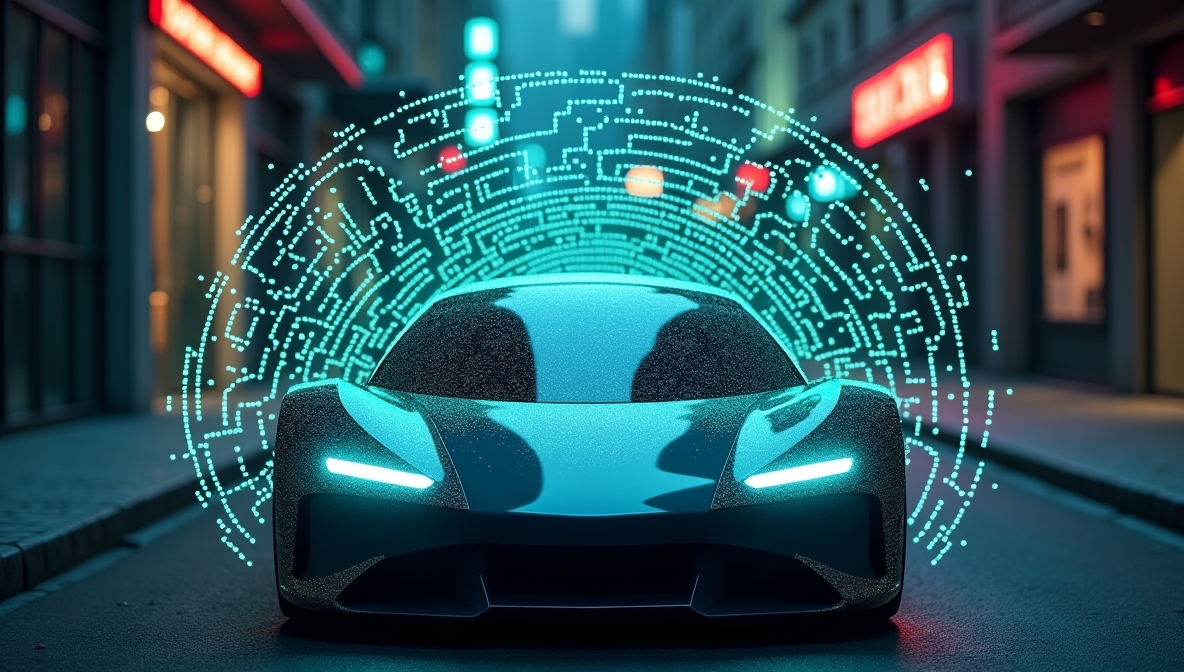
Modern vehicles are no longer purely mechanical machines. Today’s cars contain dozens of electronic control units, advanced sensors, wireless communication systems, cameras, GPS modules, cloud connectivity, and millions of lines of software code. While these technologies improve comfort, safety, and automation, they also create entirely new cybersecurity risks.
Connected vehicles now communicate continuously with smartphones, navigation platforms, mobile applications, cloud servers, and even other vehicles. Every wireless connection potentially becomes an entry point for cyberattacks if systems are not properly protected.
As transportation becomes increasingly digital, automotive cybersecurity has transformed from a technical niche into one of the most important challenges facing the modern automotive industry.
Why Cars Have Become Attractive Targets
Cybercriminals are interested in vehicles for several reasons. Modern cars contain valuable personal data, including location history, phone contacts, payment information, and behavioral patterns. In addition, connected vehicles increasingly control critical physical functions such as braking, steering, acceleration, and engine management.
Unlike traditional computer attacks that primarily involve stolen information, attacks on vehicles may directly affect physical safety. This makes automotive cybersecurity fundamentally different from many other digital security fields.
The expansion of autonomous driving technologies and over-the-air software updates has increased the number of potential vulnerabilities. Every new connected feature introduces another possible attack surface that hackers may attempt to exploit.
How Vehicle Systems Are Structured
Modern vehicles rely on complex internal networks connecting multiple electronic systems together. These systems communicate through protocols such as CAN bus networks, which allow different vehicle components to exchange information rapidly.
For example, braking systems, infotainment platforms, navigation systems, sensors, and engine controls often interact within interconnected architectures. While this integration improves efficiency, it can also create security risks if attackers gain access to one vulnerable component.
Entertainment systems and wireless interfaces are particularly sensitive because they often connect directly to external devices and internet-based services. A weakness in a non-critical system can sometimes become a pathway toward more sensitive vehicle controls.
Real Examples of Automotive Cyberattacks
Several high-profile demonstrations have shown how vulnerable connected vehicles can become under certain conditions. Security researchers have successfully demonstrated remote attacks capable of controlling steering, braking, door locks, windshield wipers, and acceleration systems in experimental environments.
One widely discussed case involved researchers remotely accessing a vehicle through its infotainment system and manipulating certain driving functions. This event significantly increased public awareness about automotive cybersecurity risks and pushed manufacturers to strengthen security practices.
Keyless entry systems have also become common targets. Criminals increasingly use relay attacks that intercept and extend signals from wireless car keys, allowing unauthorized access to vehicles without physically stealing the key itself.
GPS spoofing represents another growing concern. By manipulating positioning signals, attackers may potentially interfere with navigation systems or autonomous driving functions.
Although many attacks require advanced technical knowledge and controlled conditions, they demonstrate that connected vehicles face real cybersecurity challenges.
The Role of Encryption in Vehicle Security
Encryption has become one of the primary defenses against automotive cyber threats. Secure encryption protocols protect communication between vehicles, cloud services, mobile applications, and internal vehicle systems.
Modern encryption methods help prevent attackers from intercepting or altering transmitted information. Secure communication channels are especially important for over-the-air software updates because unauthorized access to update systems could create severe security risks.
Authentication mechanisms also play a critical role. Vehicles increasingly verify the identity of devices, servers, and software before allowing communication or updates to occur. Multi-layer authentication reduces the likelihood of unauthorized access.
However, encryption alone is not enough. Cybersecurity requires comprehensive protection across the entire vehicle ecosystem, including hardware, software, networks, and supply chains.
Over-the-Air Updates and Their Security Risks
One of the most transformative innovations in modern vehicles is the ability to receive software updates remotely. Over-the-air updates allow manufacturers to fix bugs, improve features, and patch security vulnerabilities without requiring physical dealership visits.
While this technology improves convenience and responsiveness, it also introduces new security concerns. If attackers compromise update systems, they could theoretically distribute malicious software to vehicles.
To reduce this risk, manufacturers use digitally signed software packages and secure verification systems to ensure updates originate from trusted sources. Vehicles verify software authenticity before installation, preventing unauthorized modifications.
Still, maintaining secure update infrastructure remains an ongoing challenge because cyber threats constantly evolve.
The Rise of Vehicle-to-Everything Communication
Future transportation systems increasingly depend on Vehicle-to-Everything communication, often called V2X technology. Vehicles exchange information with traffic infrastructure, nearby cars, pedestrians, and cloud systems to improve safety and efficiency.
While V2X creates enormous benefits for autonomous driving and smart cities, it also expands cybersecurity complexity. Communication networks must process huge volumes of real-time information while resisting spoofing, interception, and manipulation attempts.
Authentication systems become especially important in this environment. Vehicles must reliably verify whether incoming messages originate from legitimate sources rather than malicious actors attempting to create false traffic conditions or dangerous driving instructions.
Artificial Intelligence in Automotive Security
Artificial intelligence is becoming increasingly important in automotive cybersecurity. AI systems can monitor vehicle networks continuously and identify unusual behavior patterns that may indicate cyberattacks.
Machine learning algorithms are capable of detecting anomalies faster than traditional rule-based systems. For example, AI may recognize abnormal communication between vehicle components or suspicious external access attempts before damage occurs.
At the same time, attackers may also use artificial intelligence to develop more sophisticated attack methods. This creates an ongoing technological race between defensive systems and evolving cyber threats.
The Challenge of Long Vehicle Lifecycles
Unlike smartphones or computers, vehicles often remain in use for many years or even decades. This creates unique cybersecurity challenges because software systems must remain secure long after the vehicle is manufactured.
Older vehicles may eventually stop receiving security updates, leaving them vulnerable to newer attack methods. Maintaining long-term software support is expensive and technically difficult, especially as technologies evolve rapidly.
This issue raises important questions about digital maintenance responsibilities within the automotive industry. Future regulations may increasingly require manufacturers to provide cybersecurity support for longer periods.
Consumer Awareness and Everyday Security
Drivers themselves also play a role in automotive cybersecurity. Weak passwords, outdated mobile applications, unsecured wireless devices, and neglected software updates can increase risks significantly.
Many consumers still underestimate the importance of vehicle cybersecurity because cars have traditionally been viewed as mechanical rather than digital products. However, connected vehicles now require security awareness similar to smartphones or computers.
Simple practices such as updating software regularly, protecting mobile applications, and using secure authentication methods can help reduce vulnerabilities.
Regulations and Industry Standards
Governments and international organizations are increasingly developing cybersecurity standards for automotive manufacturers. Regulations now require many automakers to implement structured cybersecurity management systems throughout vehicle development and maintenance processes.
Manufacturers are also conducting more extensive penetration testing and collaborating with ethical hackers to identify vulnerabilities before criminals exploit them.
Cybersecurity is gradually becoming a core requirement of automotive engineering rather than an optional feature.
The Future of Secure Mobility
As vehicles become more connected and autonomous, cybersecurity will remain one of the defining challenges of modern transportation. Cars are evolving into highly sophisticated digital platforms that require constant protection against increasingly advanced threats.
Future security systems will likely rely on stronger encryption, AI-driven threat detection, decentralized authentication methods, and more resilient computing architectures. At the same time, cybersecurity must remain invisible enough not to interfere with usability or driving experience.
The future of transportation depends not only on faster processors and smarter software but also on building trust in the safety and reliability of connected mobility systems.
In the coming years, automotive cybersecurity will become just as essential as seatbelts, airbags, and mechanical reliability. Protecting vehicles from digital threats is no longer a theoretical concern—it is becoming a fundamental part of road safety itself.