

AI Co-Pilot in Cars: From Assistant to Decision-Maker. How Artificial Intelligence Is Taking Control of Route Planning, Comfort, and Safety
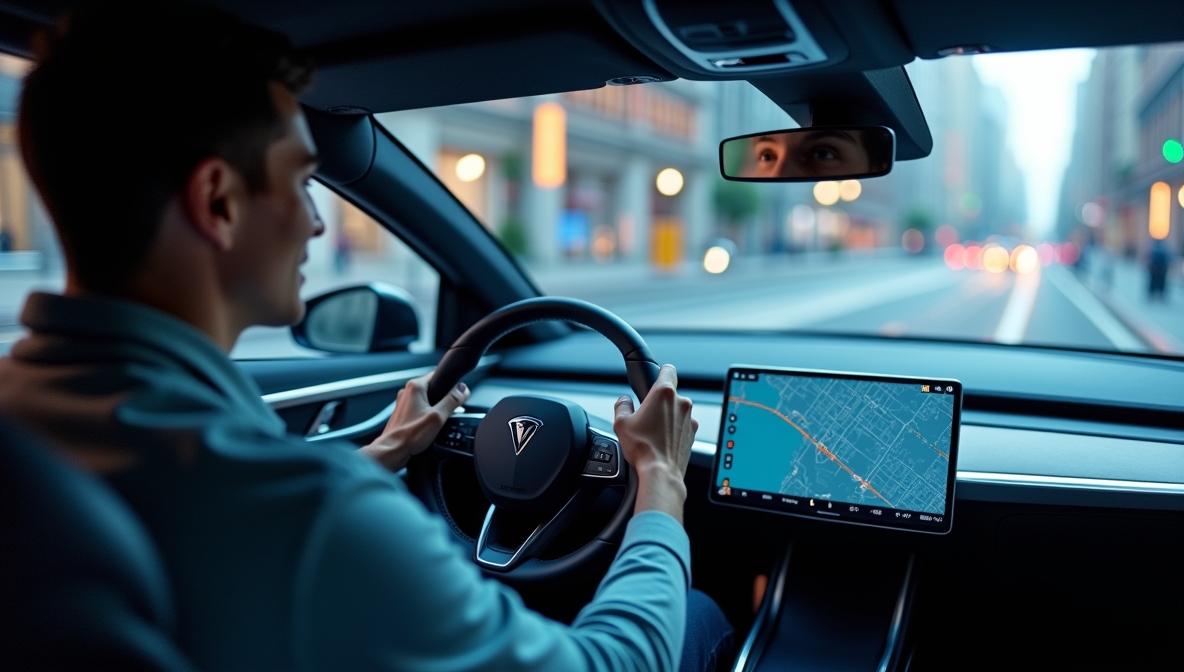
For decades, cars have evolved from purely mechanical machines into sophisticated digital platforms. Features such as cruise control, navigation systems, parking sensors, and voice assistants have gradually changed the driving experience. Today, a new transformation is underway. Artificial intelligence is no longer acting merely as a passive assistant that follows commands. It is becoming an active co-pilot capable of making recommendations, predicting situations, and in some cases making decisions independently. The modern AI-powered vehicle is increasingly capable of managing routes, optimizing passenger comfort, and enhancing safety in ways that were unimaginable only a few years ago.
The concept of an AI co-pilot goes beyond traditional automotive software. Conventional systems operate according to predefined rules and require explicit instructions from the driver. AI systems, on the other hand, continuously learn from data, adapt to changing conditions, and anticipate user needs. This shift is turning vehicles into intelligent environments that can understand both their surroundings and the people inside them.
The Evolution of Navigation Intelligence
One of the most visible applications of automotive AI is route management. Traditional GPS systems simply calculated the shortest or fastest path between two points. Modern AI-powered navigation systems take a much broader view of the driving experience.
These systems analyze real-time traffic conditions, weather forecasts, road construction updates, accident reports, traffic signal timing, and historical traffic patterns. Instead of reacting only when congestion occurs, AI can predict future delays before they happen and proactively suggest alternative routes.
The technology becomes even more powerful when integrated with personal schedules and behavioral patterns. If a driver regularly leaves for work at a specific time, the vehicle can prepare a route automatically, taking into account expected traffic conditions. It may recommend leaving earlier due to predicted congestion or suggest a different route based on weather-related disruptions.
As AI models become more advanced, navigation systems are shifting from route calculators to mobility planners. The vehicle is no longer simply answering the question of how to get somewhere. It is helping determine the best overall travel strategy.
Personalized Comfort Through Continuous Learning
Comfort is another area where AI is rapidly moving beyond simple automation. Traditional comfort settings rely on manual adjustments. Drivers configure seat positions, climate controls, lighting preferences, and entertainment options themselves.
An AI co-pilot learns these preferences over time and begins making adjustments automatically. By analyzing usage patterns, it can recognize which cabin temperature a driver prefers during different seasons, which music genres are favored during morning commutes, and even which seat position is most comfortable for long-distance travel.
Advanced systems use interior cameras and sensors to monitor passenger conditions. Facial recognition technology can identify individual occupants and instantly load personalized settings. AI may detect signs of fatigue, stress, or discomfort and adjust environmental conditions accordingly. Lighting intensity, air circulation, seat support, and audio settings can all be modified dynamically to improve the driving experience.
Future implementations may go even further by incorporating biometric feedback. Heart rate monitors, stress indicators, and wearable device integration could allow vehicles to actively respond to emotional and physical conditions in real time, creating highly adaptive cabin environments tailored to individual well-being.
AI as a Safety Decision-Maker
Safety represents perhaps the most significant area of AI development in the automotive industry. Driver assistance technologies have existed for years, but artificial intelligence dramatically expands their capabilities.
Modern vehicles are equipped with cameras, radar systems, ultrasonic sensors, lidar units, and high-performance processors that constantly analyze the surrounding environment. AI combines information from these sources to build a comprehensive understanding of road conditions and potential hazards.
Unlike traditional safety systems that react to immediate threats, AI attempts to predict dangerous situations before they fully develop. It can identify unusual driver behavior, detect distracted driving, recognize pedestrians who may unexpectedly enter the roadway, and anticipate the movements of nearby vehicles.
In many situations, the AI co-pilot can intervene more quickly than a human driver. Emergency braking systems, lane-keeping assistance, collision avoidance technologies, and adaptive cruise control already demonstrate this capability. As these systems continue to improve, vehicles will increasingly take preventive actions rather than merely issuing warnings.
The transition from assistant to decision-maker becomes particularly evident when the AI determines that intervention is necessary to prevent an accident. In such cases, the system may temporarily override driver inputs, adjust steering, apply braking force, or modify vehicle speed based on its assessment of the safest course of action.
Human-AI Collaboration Behind the Wheel
Despite rapid advancements, the goal is not necessarily to replace drivers entirely. Instead, many manufacturers envision a collaborative relationship between humans and AI.
The AI co-pilot handles routine monitoring, data analysis, and predictive assessments, while the human remains responsible for broader judgment and oversight. This partnership leverages the strengths of both parties. Artificial intelligence excels at processing enormous amounts of information simultaneously, while humans remain better at understanding complex social contexts and ethical considerations.
Effective communication between driver and AI is becoming increasingly important. Voice interaction systems are evolving from simple command recognition toward conversational interfaces capable of explaining recommendations and providing reasoning behind decisions. This transparency helps build trust and allows drivers to remain informed participants in the driving process.
Challenges and Ethical Considerations
As AI assumes greater authority within vehicles, important questions emerge regarding responsibility, privacy, and decision-making transparency. Modern cars generate vast quantities of data about driver behavior, location history, and personal preferences. Protecting this information is becoming a critical concern.
There are also questions regarding accountability when AI systems make decisions that influence safety outcomes. Determining responsibility in complex scenarios involving both human and machine judgment remains a significant challenge for regulators and manufacturers.
Furthermore, public acceptance will depend on the ability of AI systems to explain their actions clearly. Drivers are more likely to trust technology when they understand why specific decisions are being made.
The Road Ahead
The future of automotive AI points toward increasingly autonomous and intelligent transportation systems. Vehicles will become more capable of understanding their environment, predicting user needs, and making independent decisions that enhance efficiency, comfort, and safety.
What began as a simple digital assistant is rapidly evolving into a sophisticated co-pilot that actively participates in the driving experience. Route optimization, personalized comfort management, and predictive safety interventions are only the beginning. As artificial intelligence continues to mature, the distinction between driver and vehicle may become less defined, creating a new era in which humans and machines work together to navigate the road more intelligently than either could alone.