

Beyond Autonomy: How AI-Powered Emotion Recognition Could Redefine the Future of Cars
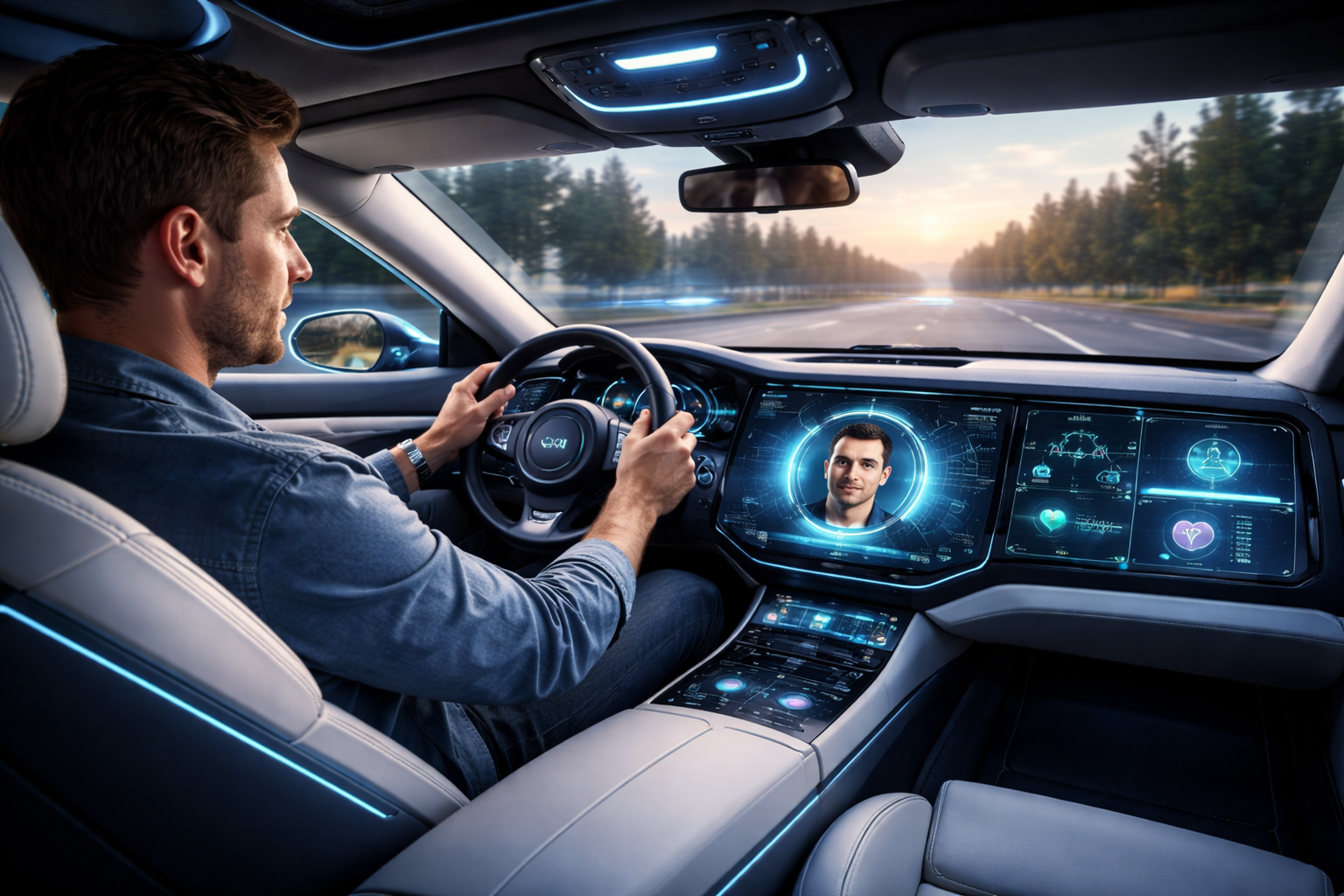
The future of cars is often associated with electrification, autonomy, and connectivity. While these innovations continue to reshape the automotive industry, another transformative technology is quietly emerging: artificial intelligence capable of recognizing human emotions. Emotion-aware vehicles represent a new frontier in automotive design, blending advanced sensors, machine learning algorithms, and interior technology to create cars that respond not only to road conditions, but also to the emotional state of their occupants.
Modern vehicles already collect vast amounts of data through cameras, biometric sensors, steering inputs, and driving patterns. In the next phase of innovation, this data may be used to detect fatigue, stress, distraction, or even mood fluctuations. Interior cameras combined with facial recognition systems can analyze micro-expressions, eye movement, and blink rate. Steering wheel sensors may monitor heart rate variability. Voice analysis can identify changes in tone that indicate frustration or anxiety. When combined, these technologies allow vehicles to interpret emotional cues in real time.
The implications for safety are significant. Driver fatigue remains one of the leading contributors to road accidents worldwide. An emotion-aware vehicle could detect early signs of drowsiness and respond by adjusting cabin lighting, increasing ventilation, suggesting a rest stop, or even activating assisted driving features. In high-stress situations, such as heavy traffic or severe weather, the car could reduce cabin noise, provide calming ambient lighting, or modify driving assistance settings to support a smoother experience.
Beyond safety, emotional intelligence in vehicles could redefine comfort and personalization. Imagine a car that recognizes when its driver feels overwhelmed after a long day and automatically adjusts seat position, temperature, and music preferences to create a relaxing environment. If the system detects elevated stress levels during navigation, it could propose alternative routes with lighter traffic or scenic views. Over time, the vehicle would learn behavioral patterns, refining its responses to better align with individual preferences.
Passenger experience also stands to benefit. Family vehicles might adapt entertainment systems based on the mood of children in the back seat, while business commuters could receive productivity-focused settings when calm and focused, or soothing audio environments when tension rises. The interior cabin becomes not merely a transportation space, but a responsive environment designed around human psychology.
However, the development of emotion-recognition technology in cars raises important considerations regarding privacy and data security. Biometric and behavioral data are highly sensitive. For widespread adoption, manufacturers must ensure transparent data handling practices, robust encryption, and user control over what information is stored or shared. Trust will be essential in determining whether consumers embrace or resist emotionally intelligent vehicles.
Integration with autonomous driving systems presents additional possibilities. As vehicles transition toward higher levels of automation, monitoring passenger emotional state may help determine readiness to retake control. If a driver appears distracted or stressed during semi-autonomous operation, the system could delay handover requests or provide clearer alerts. In fully autonomous models, emotion recognition could focus more on comfort optimization and in-cabin well-being.
The technological infrastructure supporting these innovations relies on advances in machine learning, sensor miniaturization, and real-time data processing. Edge computing within vehicles allows for rapid analysis without constant cloud connectivity, reducing latency and improving privacy. As hardware becomes more compact and affordable, emotion-detection features may gradually move from luxury models to mainstream vehicles.
Critics argue that emotional AI risks overcomplicating the driving experience or creating unnecessary dependency on automated responses. Yet supporters contend that human-centered design is the logical next step in automotive evolution. Cars have progressed from purely mechanical machines to digital platforms; integrating emotional awareness simply extends that transformation.
Looking ahead, the concept of mobility may shift from transportation alone to holistic experience management. Future vehicles could function as adaptive environments that respond to mental state, physical comfort, and situational context. This shift reflects a broader trend in technology toward personalization and well-being integration.
The future of cars will likely combine electrification, automation, and artificial intelligence in increasingly sophisticated ways. Emotion recognition stands as a compelling example of how technology can move beyond efficiency and safety to address the human element of driving. As research and development continue, emotionally intelligent vehicles may redefine not only how we travel, but how we feel while doing so.