

Cars That Think Ahead — How Future Vehicles Will Predict, Adapt, and Evolve
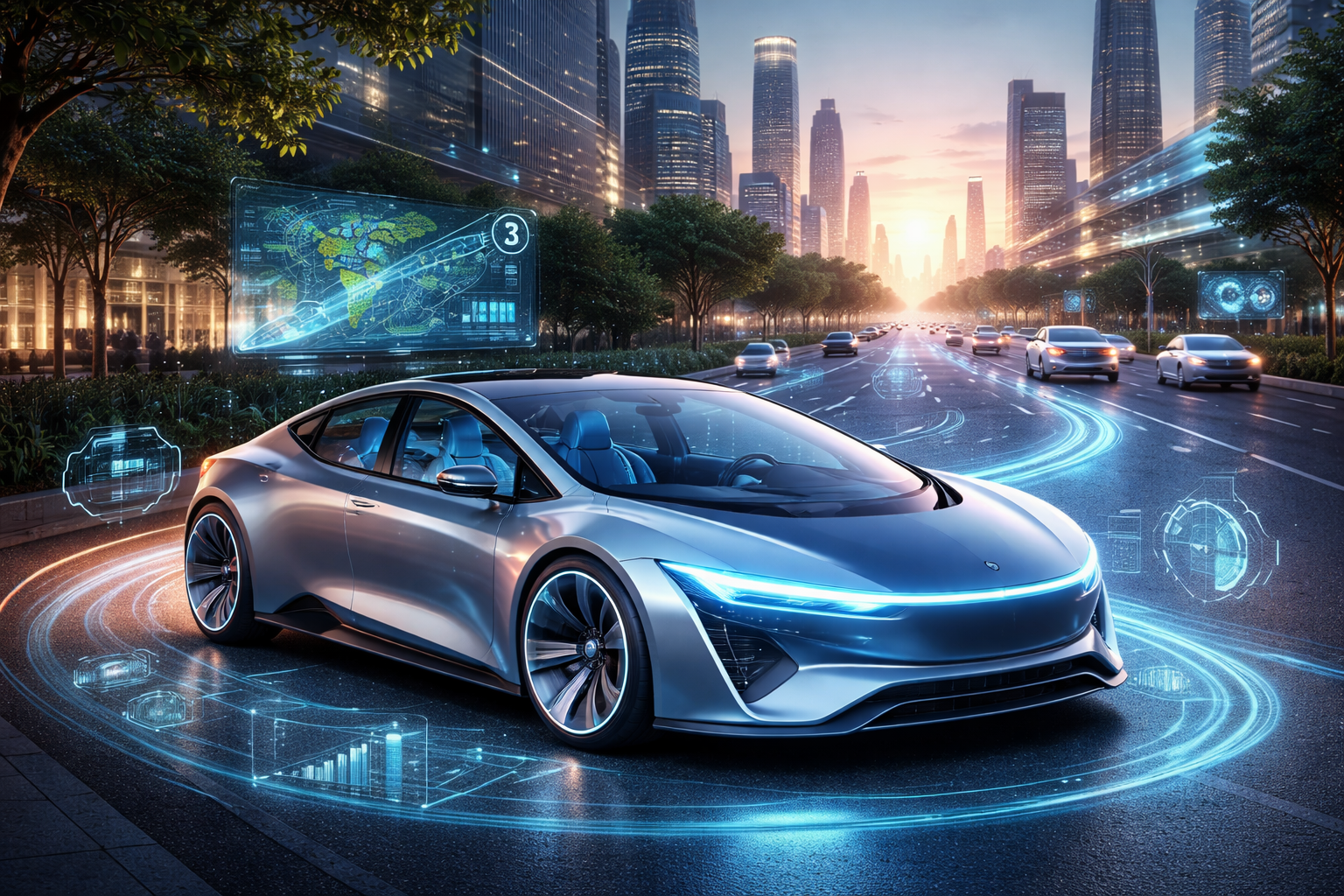
The future of cars is no longer defined only by speed, design, or even fuel type. Tomorrow’s vehicles are being shaped by intelligence, adaptability, and deep integration with digital ecosystems. As automotive technology advances, cars are transforming from passive machines into predictive systems capable of learning, anticipating needs, and evolving over time. This shift marks one of the most profound changes in the history of personal transportation.
From Reactive Machines to Predictive Mobility
Traditional vehicles respond to driver input: steering, braking, acceleration. Future cars, however, are being designed to anticipate actions before they happen. Using a combination of sensors, cameras, radar, and onboard computing, these vehicles continuously analyze their environment and driver behavior. Over time, they learn driving patterns, preferred routes, and even stress signals.
Predictive mobility means a car can prepare for upcoming road conditions, adjust performance for weather changes, and optimize energy use based on expected traffic. Instead of reacting to danger, future vehicles aim to prevent it through constant situational awareness.
Software as the Core of the Vehicle
In future cars, software becomes as important as mechanical engineering. Vehicles are increasingly built around centralized computing platforms rather than dozens of independent control units. This allows cars to receive regular over-the-air updates that improve performance, safety systems, and user interfaces long after purchase.
Cars of the future will not remain static products. They will evolve like smartphones, gaining new features, refining existing ones, and adapting to changing regulations and user needs. This shift also changes ownership expectations, as the value of a vehicle becomes tied to its digital longevity as much as its physical condition.
Human-Centered Design and Adaptive Interiors
The interior of future cars reflects a move toward human-centered design. As driving tasks become increasingly automated, cabin space is being reimagined. Seats adjust dynamically to posture and fatigue, lighting adapts to mood and time of day, and interfaces respond to voice, gesture, and eye movement.
Materials used inside future vehicles are also evolving. Designers focus on sustainability, durability, and sensory comfort. Surfaces are easier to clean, fabrics are breathable and resilient, and layouts prioritize calm rather than stimulation. The car interior becomes a flexible environment that supports focus, rest, or social interaction depending on the journey.
Artificial Intelligence as a Co-Driver
Artificial intelligence plays a central role in future vehicles. Beyond navigation, AI systems manage energy consumption, personalize infotainment, and assist with decision-making in complex traffic scenarios. Over time, these systems adapt to individual drivers, creating a sense of collaboration rather than control.
AI-driven vehicles also communicate with infrastructure and other cars. This collective intelligence allows traffic to flow more smoothly, reduces congestion, and minimizes accidents. The car becomes part of a broader mobility network rather than an isolated object.
Safety Redefined Through Anticipation
Safety in future cars is less about surviving crashes and more about avoiding them entirely. Advanced driver-assistance systems are evolving into comprehensive safety frameworks that monitor everything from road conditions to driver attention.
If fatigue or distraction is detected, the vehicle can adjust settings, issue warnings, or gradually take control. Emergency maneuvers are calculated faster than human reflexes, and predictive algorithms identify potential hazards before they become visible threats. This proactive approach represents a fundamental shift in how automotive safety is defined.
Sustainability Beyond the Powertrain
While alternative propulsion receives much attention, future cars address sustainability across their entire lifecycle. Manufacturing processes aim to reduce waste, components are designed for easier recycling, and software helps extend vehicle lifespan through efficiency improvements.
The concept of sustainability also includes reducing resource duplication. Shared mobility, adaptive ownership models, and smarter routing all contribute to lower environmental impact. Future cars are not only cleaner machines; they are part of more efficient systems.
The Emotional Relationship With Cars Is Changing
As cars become smarter and more autonomous, the emotional connection between humans and vehicles is evolving. Control gives way to trust, and ownership becomes less about domination and more about partnership. Drivers interact with their cars through conversation, preferences, and shared decision-making.
This relationship raises important questions about transparency, privacy, and user autonomy. Future vehicles must balance intelligence with respect for human agency, ensuring that technology serves rather than overwhelms.
A Glimpse Into the Road Ahead
Future cars are not just transportation tools; they are adaptive companions shaped by data, design, and responsibility. They promise safer roads, more personalized experiences, and greater efficiency, but they also require thoughtful integration into human life.
The road ahead is not defined by a single breakthrough, but by the convergence of many technologies working together. As cars learn to think ahead, mobility itself becomes more fluid, responsive, and human-centered. The future of driving is not about going faster — it is about going smarter.