

Integration of Vehicles into Smart Cities: How Transport and Urban Infrastructure Work Together
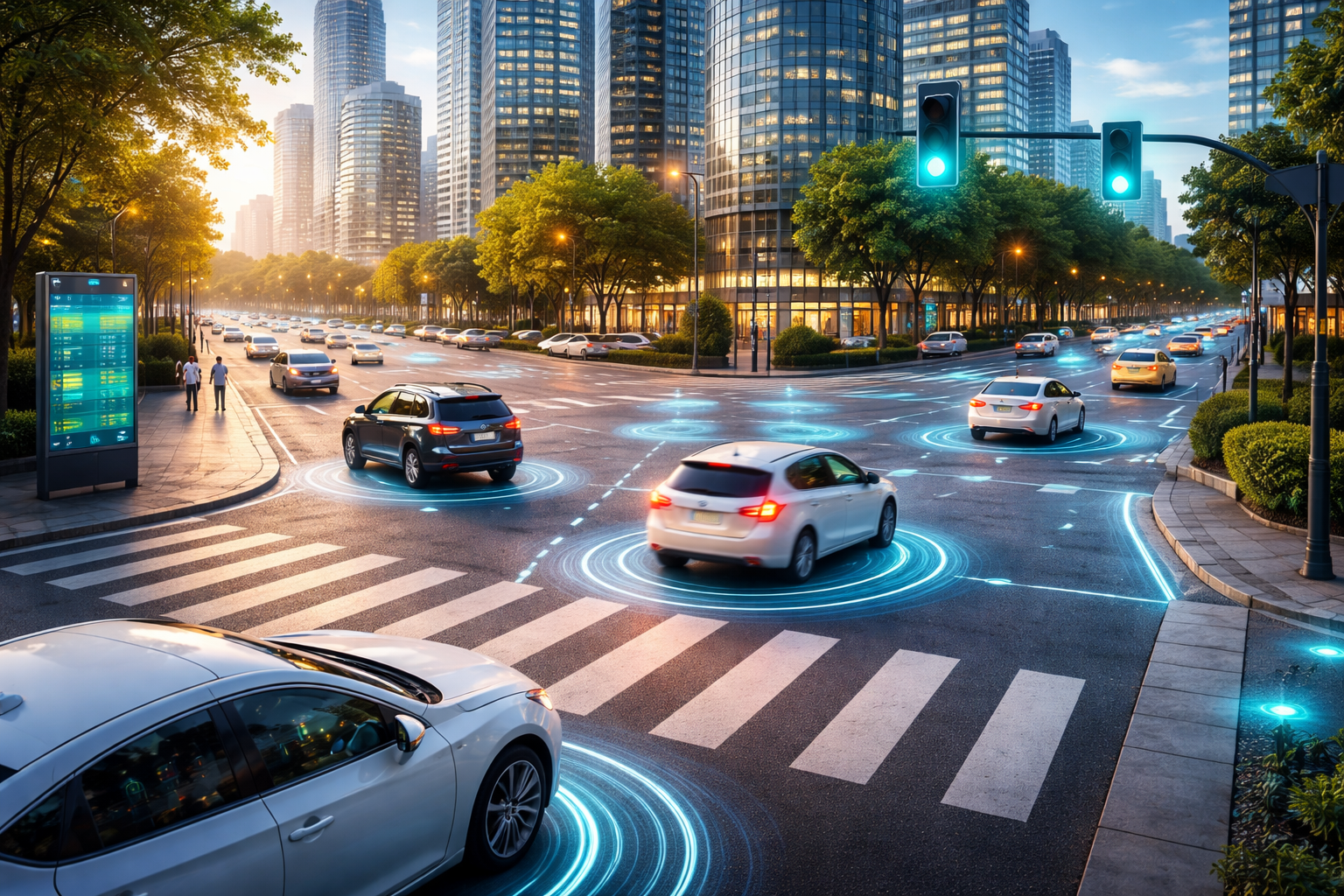
The rapid development of smart technologies is transforming modern cities into interconnected ecosystems where transportation, infrastructure, and digital networks operate as a unified system. As urban populations continue to grow, cities face increasing challenges related to traffic congestion, pollution, and inefficient mobility. Smart city initiatives aim to address these issues by integrating vehicles with intelligent infrastructure through advanced communication technologies, sensors, and automated traffic management systems. This integration allows transportation networks to become more efficient, safer, and environmentally sustainable.
At the core of smart city mobility lies the ability for vehicles to communicate with the surrounding environment. This concept, often referred to as connected transportation, enables cars, traffic systems, and city infrastructure to exchange information in real time. By creating a digital dialogue between vehicles and the city, urban mobility becomes more adaptive and responsive to changing conditions.
Street Sensors and Real-Time Data Collection
One of the key components of smart transportation infrastructure is the use of street sensors. These devices are installed throughout the urban environment to monitor traffic flow, weather conditions, pedestrian movement, and road safety factors. Sensors embedded in roads or mounted on streetlights collect valuable data that helps city systems understand what is happening in real time.
For example, sensors can detect the number of vehicles passing through a particular street or measure traffic speed and density. This information is transmitted to centralized traffic management platforms, where it is analyzed and used to adjust traffic signals, issue alerts, or recommend alternative routes to drivers.
In addition to improving traffic flow, sensors can detect hazardous conditions such as icy roads, flooding, or accidents. When this information is immediately shared with connected vehicles, drivers receive warnings that allow them to respond quickly and avoid potential dangers.
Networked Intersections and Intelligent Traffic Signals
Another important element of smart city transportation is the development of networked intersections. Traditional traffic lights operate on fixed timers, often causing unnecessary delays or congestion during changing traffic patterns. In contrast, intelligent intersections use real-time data from sensors and connected vehicles to dynamically adjust signal timing.
Networked intersections can prioritize traffic based on current conditions. For example, if a large number of vehicles approaches a particular direction, the system can extend the green light to reduce congestion. Similarly, emergency vehicles such as ambulances or fire trucks can receive priority signals that clear their path through busy streets.
These systems also support pedestrian safety. Smart intersections can detect pedestrian movement and adjust crossing times accordingly. In some cities, adaptive traffic lights can even communicate directly with vehicles, informing drivers about upcoming signal changes so they can adjust their speed more smoothly.
Vehicle-to-Infrastructure Communication
A central concept behind smart city transportation is vehicle-to-infrastructure communication, often abbreviated as V2I. This technology allows vehicles to exchange information with road infrastructure such as traffic signals, parking systems, road sensors, and digital signage.
Through wireless networks, vehicles receive updates about traffic conditions, road closures, construction zones, and available parking spaces. In return, vehicles send data about their location, speed, and direction, helping city systems maintain an accurate picture of overall traffic conditions.
This two-way communication creates a cooperative transportation environment where vehicles and infrastructure work together rather than operating independently. As a result, traffic management becomes more efficient and responsive to real-world conditions.
Integration with Public Transportation Systems
Smart city mobility does not focus solely on private vehicles. Integration between cars and public transportation networks is essential for reducing congestion and improving accessibility.
Digital mobility platforms can coordinate information between buses, trains, ride-sharing services, and personal vehicles. For example, navigation systems in cars may suggest parking near a public transit hub when heavy traffic is detected in the city center. This encourages drivers to combine different transportation modes, reducing the number of vehicles on crowded roads.
In addition, real-time public transport data allows vehicles and navigation systems to guide drivers toward less congested routes or alternative travel options.
Environmental and Safety Benefits
The integration of vehicles with smart infrastructure provides several important environmental and safety advantages. By optimizing traffic flow and reducing unnecessary stops and delays, intelligent transportation systems help lower fuel consumption and greenhouse gas emissions.
Smart traffic management also improves road safety. Real-time alerts about accidents, hazardous weather, or sudden congestion allow drivers to respond earlier and avoid dangerous situations. In the future, these systems will become even more powerful as autonomous vehicles rely on infrastructure communication to navigate safely through complex urban environments.
The Future of Connected Urban Mobility
As cities continue to adopt smart technologies, the relationship between vehicles and infrastructure will become increasingly sophisticated. Advances in artificial intelligence, high-speed communication networks, and autonomous driving systems will allow transportation networks to operate more seamlessly than ever before.
Smart cities aim to create urban environments where transportation is not only efficient but also sustainable and safe. By connecting vehicles, sensors, intersections, and public transportation into a unified digital ecosystem, cities can manage mobility in ways that were previously impossible.
The integration of automobiles into intelligent infrastructure represents one of the most promising steps toward solving modern urban transportation challenges. As these systems evolve, they will reshape how people move through cities and redefine the future of urban mobility.