

Staying in Control on Ice: How to React to a Skid on Slippery Roads
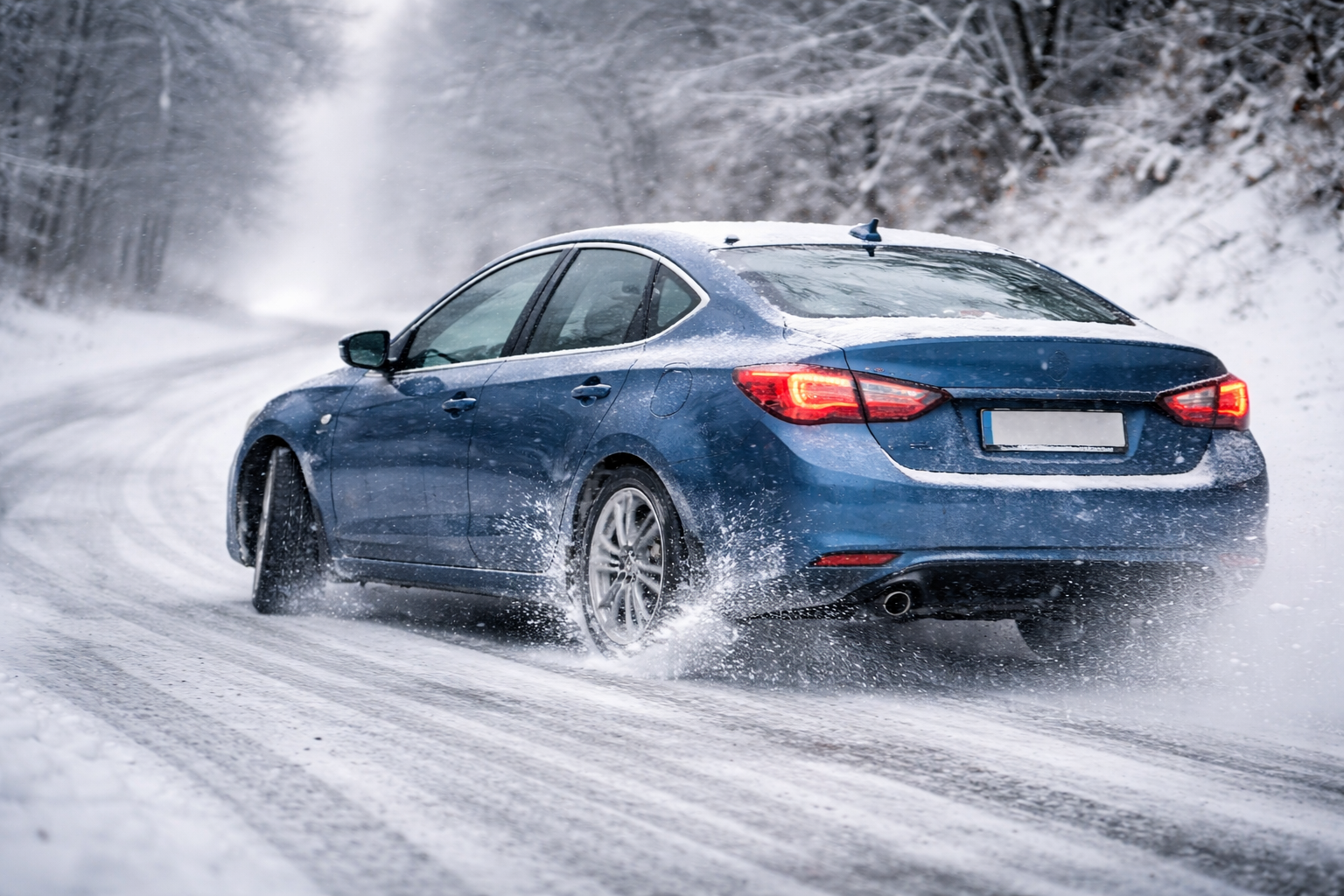
Driving on slippery roads is one of the most stressful situations a driver can face. Ice, packed snow, freezing rain, or even wet leaves can instantly reduce tire grip and turn a routine drive into a dangerous challenge. One of the most frightening outcomes of low traction is a skid, when the vehicle begins to slide and no longer responds as expected to steering or braking. Understanding how skids happen and how to react correctly can make the difference between regaining control and losing it completely.
Skidding is not a sign of poor driving skills alone; it is often the result of physics overpowering traction. When tires lose their grip on the road surface, the car continues moving according to momentum rather than driver input. Panic reactions such as sudden braking or aggressive steering usually worsen the situation. Calm, informed responses are what restore stability.
Why Skids Happen on Slippery Roads
A skid occurs when the friction between the tires and the road becomes insufficient to support acceleration, braking, or turning forces. Slippery surfaces reduce this friction dramatically. Speed, even when it feels moderate, becomes a critical factor because higher speed increases momentum and reduces the time available to react.
Another common cause is abrupt driver input. Sharp steering, sudden braking, or quick acceleration can overwhelm the limited traction available on ice or snow. Even vehicles with modern stability systems are not immune, as electronic aids can only work within the laws of physics.
Understanding that skids are often sudden and unplanned helps drivers prepare mentally. Anticipation and smooth driving habits are the first layer of defense, but knowing what to do during the skid itself is essential.
Recognizing the Type of Skid
Not all skids feel the same. In some cases, the front of the car stops responding to steering input, while in others the rear swings outward. Recognizing what the vehicle is doing allows the driver to respond appropriately instead of guessing.
When the front tires lose grip, the car continues straight despite steering input. This often happens when entering a turn too fast or braking hard on ice. When the rear tires lose grip, the back of the car begins to slide sideways, creating the sensation that the vehicle is spinning or fishtailing. Both situations require different mental focus but share the same core principle: restoring traction gradually.
Steering Through a Skid Without Panic
The most important rule during a skid is to stay calm and avoid sudden movements. Panic causes overcorrection, which can turn a manageable slide into a complete loss of control. The hands should remain steady on the wheel, and the eyes should focus on where you want the car to go, not on obstacles.
In a rear-wheel skid, gently steering in the direction of the slide helps realign the tires with the direction of travel. This feels counterintuitive to many drivers, but it allows the tires to regain grip as the car straightens. Oversteering in the opposite direction can cause the vehicle to whip back and forth.
In a front-wheel skid, easing off the accelerator and allowing the tires to regain grip is often the most effective response. Forcing the steering wheel harder rarely helps, as the tires cannot respond until traction returns.
The Role of Braking and Throttle Control
Braking during a skid must be done with extreme care. Slamming the brakes locks the wheels or triggers abrupt electronic intervention, both of which can extend the slide. Modern vehicles equipped with ABS allow for controlled braking, but even then, gentle pressure is key.
Reducing throttle input smoothly helps shift weight back onto the tires in a controlled way. Sudden acceleration almost always worsens a skid by increasing wheel spin. The goal is to let the car slow naturally while maintaining alignment with the road.
Smooth inputs give the tires time to reconnect with the surface. Traction returns gradually, not instantly, and patience is critical.
Vehicle Technology and Its Limits
Electronic stability control, traction control, and anti-lock braking systems provide valuable assistance during skids, but they are not substitutes for good technique. These systems can help reduce engine power or apply braking to individual wheels, yet they cannot create grip where none exists.
Drivers who rely entirely on technology may take risks that exceed safe limits. Understanding how your vehicle behaves with and without these systems builds confidence and realism. On very slick surfaces, even the most advanced systems require driver cooperation to work effectively.
Building Confidence Through Preparation
Confidence in skid situations comes from preparation, not bravado. Practicing gentle steering and braking in low-traction environments, such as empty snowy parking lots, can help drivers understand how their vehicle responds. This experience reduces panic when real skids occur on public roads.
Proper tires also play a major role. Winter tires significantly increase traction on snow and ice, improving the vehicle’s ability to respond to corrective actions. While technique matters, equipment choices can expand the margin for error.
Prevention as the Best Strategy
The safest skid is the one that never happens. Reducing speed, increasing following distance, and driving with deliberate smoothness dramatically lower the risk of losing control. Slippery roads demand patience, not urgency.
Anticipating hazards, avoiding abrupt maneuvers, and respecting road conditions create a driving environment where skids become rare rather than inevitable. When a skid does occur, knowledge and calm reactions transform fear into control.
Driving on ice or snow will always carry some risk, but understanding skid dynamics empowers drivers to respond effectively. With awareness, preparation, and smooth technique, it is possible to navigate slippery roads with confidence and safety, even when conditions are far from ideal.