

Towing Safety Essentials: Rules, Risks, and Mistakes You Must Avoid
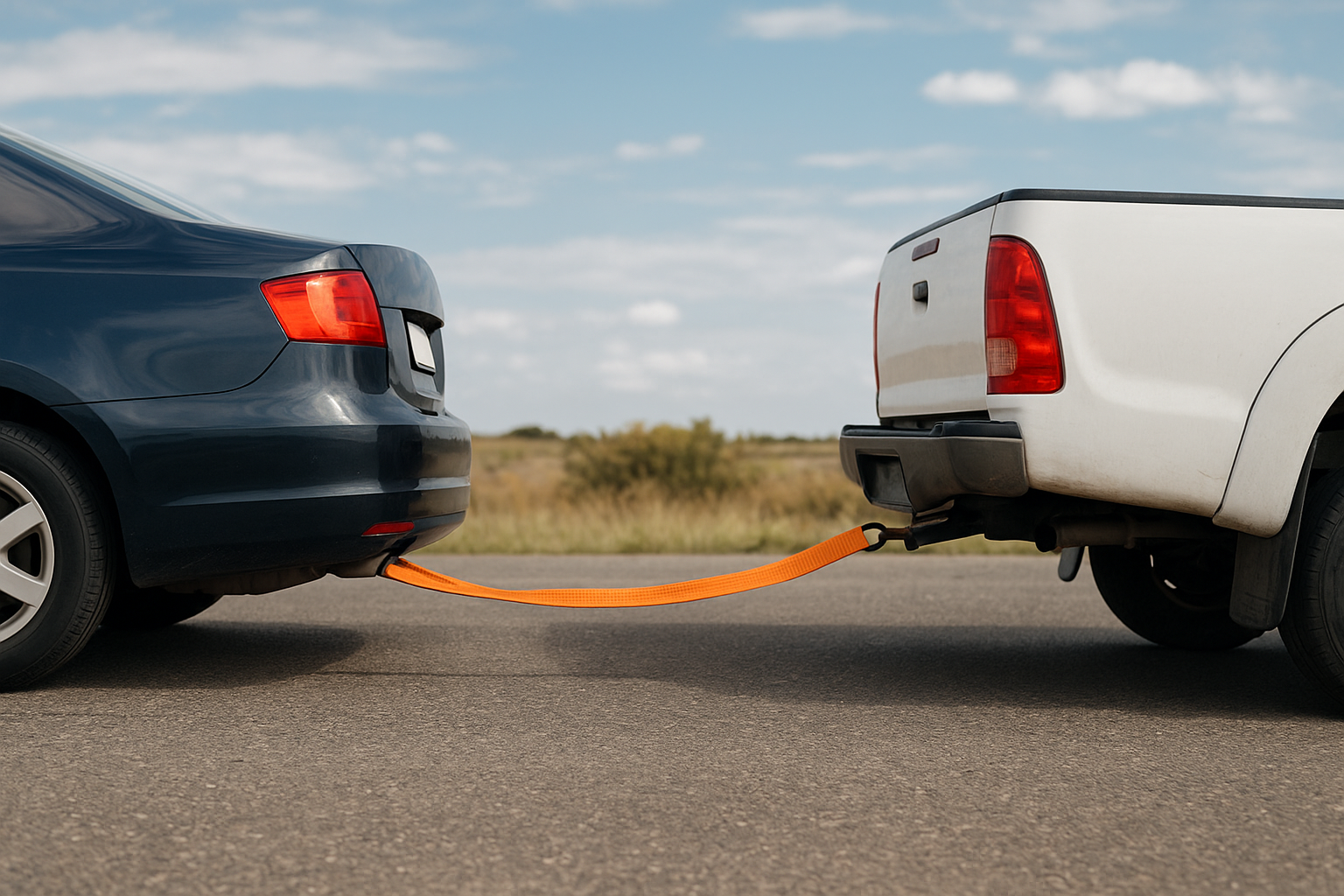
Towing may look simple from the outside—attach a rope, cable, or tow bar and pull the disabled vehicle forward. But in reality, towing is one of the most dangerous roadside procedures, especially when done improperly. A single mistake can lead to severe vehicle damage, loss of control, or accidents involving nearby drivers. Whether you tow only in emergencies or prepare for long-distance roadside assistance, understanding the rules and avoiding common errors is the foundation of safe towing.
A well-executed towing process prioritizes stability, communication, correct equipment, and strict adherence to safety standards. This article explains how to tow a vehicle properly and which mistakes to avoid to protect yourself, your passengers, and everyone on the road.
Why Towing Safety Matters
When a vehicle is pulled by another, the dynamics of both cars change dramatically. Steering becomes less responsive, braking distances increase, and sudden movements can cause dangerous swaying. Additionally, the disabled vehicle may have mechanical issues—brake failure, non-functioning hazard lights, locked steering—that complicate the tow.
Because of these risks, safety must be the first priority. Proper towing protects:
- The tow vehicle, which now carries additional stress
- The disabled vehicle, which can suffer further damage
- All road users, who may not expect slow, unstable, or long vehicle combinations
By understanding safe techniques, drivers can reduce the chance of collisions, jackknifing, cable snapback, and roadside accidents.
Preparing for Safe Towing
Before beginning any towing maneuver, carefully evaluate both vehicles and the environment. The preparation stage determines whether the tow will be smooth or hazardous.
1. Check Vehicle Capacity
Every vehicle has a maximum towing capacity, listed in the owner’s manual. Exceeding it strains the engine, suspension, and brakes, turning the tow into a dangerous situation. Even towing a light car can exceed limits if the tow vehicle is small or already heavily loaded.
2. Choose the Correct Towing Equipment
Using inadequate or worn-out equipment is one of the biggest causes of towing failures.
Common tools include:
- Tow rope — only for short, emergency towing
- Tow strap — flexible and strong, suitable for short to moderate distances
- Tow bar — rigid, safer for steering stability
- Tow dolly or trailer — the safest method for long distances
Never use improvised tools like chains, cables not rated for towing, or ropes tied incorrectly.
3. Secure the Attachment Points
Both vehicles have specific factory tow hooks or reinforced points meant for towing. Attaching straps to suspension components, bumpers, or axles can cause severe damage or detachment during motion.
4. Ensure Visibility
A properly towed vehicle must display:
- Hazard lights, if functional
- A visible warning triangle
- Reflective indicators at night
The goal is to alert other drivers that the vehicle combination moves slowly and unpredictably.
Safe Towing Techniques Every Driver Should Know
1. Maintain Slow and Steady Speeds
When towing, speed drastically affects safety. Excess speed can cause:
- Rope snapping
- Sudden jerks damaging powertrains
- Swaying or fishtailing
- Loss of control in the towed vehicle
Smooth acceleration and gentle braking create a stable motion that both drivers can manage.
2. Keep the Tow Line Tight
A loose tow rope causes jerking forces that are dangerous for both cars. The tow vehicle should pull with consistent momentum. The driver of the towed vehicle must lightly apply brakes to keep tension when going downhill or slowing.
3. Maximize Communication Between Drivers
If both vehicles are occupied, drivers must agree on signals for:
- Turning
- Stopping
- Lane changes
- Emergency halts
In the absence of radios, hand signals or flashing lights can serve as communication tools. If the towed vehicle is empty, towing should only be done using rigid bars or professional equipment.
4. Avoid Sharp Turns
Towing reduces maneuverability. Sharp turns or sudden lane changes risk causing:
- Rope tightening and snapping
- Vehicle tipping when using trailers
- Collision between the two vehicles
Wide arcs and smooth transitions are essential.
5. Plan Your Route Carefully
Avoid high-speed roads, heavy traffic, steep hills, or tight corners. The safest routes are:
- Flat
- Lightly trafficked
- Short
- Well-lit
Planning ahead prevents stress and reduces the likelihood of unexpected stops.
Mistakes to Avoid When Towing a Vehicle
Mistake 1: Using Improper Equipment
Using household ropes, damaged straps, or non-rated chains leads to sudden failures. Equipment must be rated for the weight of the towed vehicle.
Mistake 2: Towing a Car With Powertrain Issues Incorrectly
Some cars—especially AWD and automatic transmission vehicles—cannot be towed with all wheels on the ground. Doing so can destroy transmissions in minutes. Always check the vehicle’s towing instructions.
Mistake 3: Overloading the Tow Vehicle
Even a slightly overweight load compromises braking and steering. Many towing accidents occur because drivers assume “one extra car won’t matter.”
Mistake 4: Forgetting About Braking Distance
A towed vehicle greatly increases stopping distance. Tailgating becomes extremely dangerous.
Mistake 5: Neglecting Night Visibility
Towing at night without reflectors, hazard lights, or signals is a major cause of rear-end collisions.
Mistake 6: Allowing Passengers in the Towed Vehicle
This is unsafe and illegal in many regions. Passengers risk severe injury due to lack of control and unpredictable movement.
Mistake 7: Ignoring Weather Conditions
Wet or icy roads dramatically reduce traction. Towing in such conditions should be avoided unless necessary.
When to Call a Professional Instead
Some situations require expert assistance and specialized tow trucks:
- Transmission failures in automatic cars
- Electrical malfunctions preventing hazard lights
- Severe suspension damage
- Long-distance transportation
- Heavy vehicles exceeding towing capacity
Professional towing is safer, faster, and prevents costly repairs.
Conclusion
Safe towing is far more complex than simply pulling a disabled vehicle forward. It demands the right equipment, careful planning, calm coordination, and an understanding of how vehicles behave when connected. By following proper rules, using approved gear, and avoiding common mistakes, drivers can ensure a secure and controlled towing experience—even in emergencies.
A thoughtful approach not only protects the vehicles involved but also contributes to safer roads for everyone.