

Understanding and Managing Vehicle Blind Spots: Using Mirrors, Cameras, and Sensors for Safer Driving
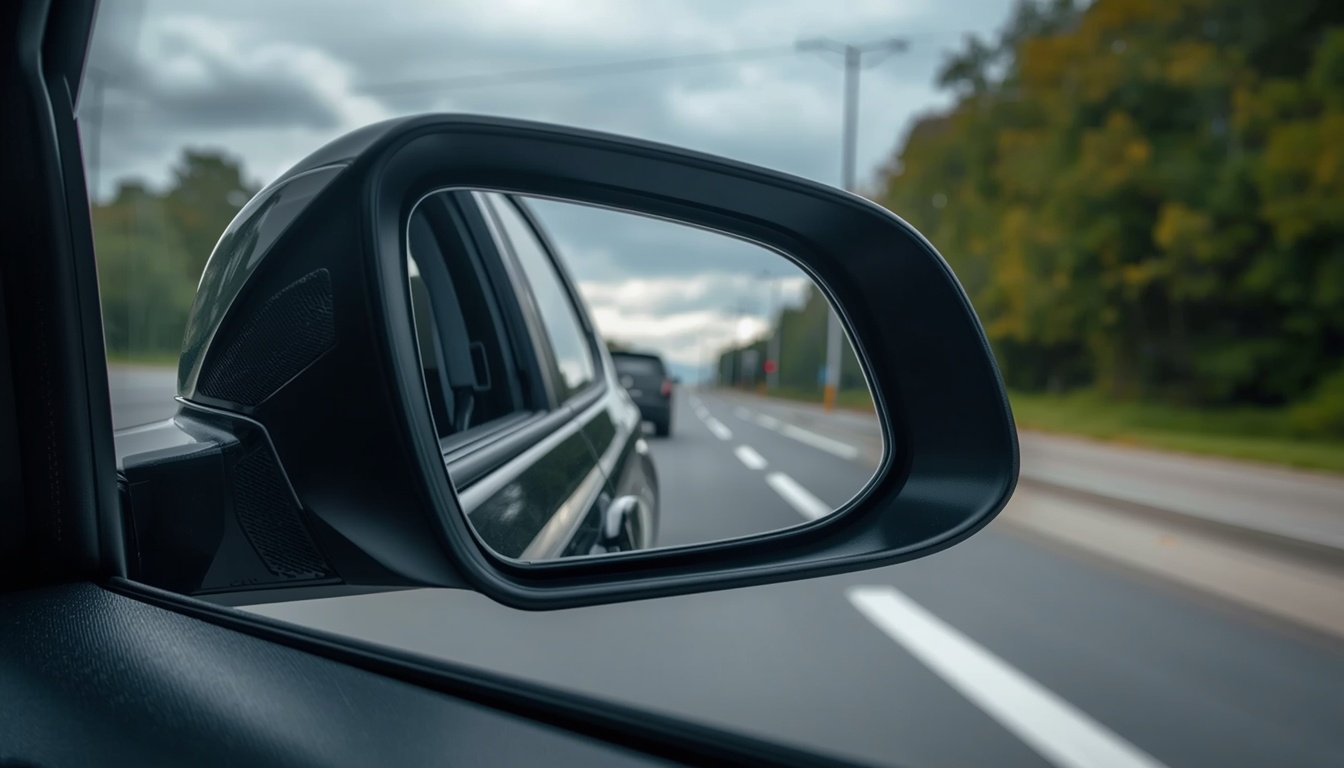
Every driver, regardless of experience level, must deal with one unavoidable reality of operating a vehicle: blind spots. Even the most advanced automobiles cannot provide a completely unobstructed view of the surrounding environment through windows and mirrors alone. Certain areas around a vehicle remain partially or entirely hidden from the driver’s direct line of sight, creating potential risks during lane changes, merging, parking, and low-speed maneuvers.
Blind spots contribute to thousands of traffic incidents every year. In many cases, drivers simply fail to see another vehicle, cyclist, pedestrian, or obstacle because it is positioned outside their visible field of view. Fortunately, modern technology has significantly improved a driver’s ability to detect hazards. Traditional mirrors are now supported by cameras, radar systems, ultrasonic sensors, and advanced driver-assistance features that provide additional layers of awareness.
Understanding where blind spots occur and learning how to use available tools effectively can greatly improve road safety. Technology can assist drivers, but awareness and proper driving habits remain the foundation of safe vehicle operation.
What Are Vehicle Blind Spots?
A blind spot is any area around a vehicle that cannot be directly observed by the driver using standard mirrors and normal forward vision. The size and location of blind spots vary depending on vehicle design, seating position, mirror adjustment, and surrounding conditions.
Most vehicles have blind spots on both sides, particularly near the rear quarter panels. Larger vehicles such as SUVs, vans, pickup trucks, and commercial trucks often have more extensive blind spots due to their size and structural design.
Blind spots may also exist directly behind the vehicle, in front of the hood, and near roof pillars that partially block visibility. These hidden zones can become especially dangerous when other road users move into them unexpectedly.
Recognizing that blind spots are always present is the first step toward managing them effectively.
Why Blind Spots Are Dangerous
The primary danger of blind spots is that they create uncertainty. Drivers may believe a lane is clear when another vehicle is actually hidden from view.
This situation commonly occurs during lane changes. A vehicle traveling slightly behind and beside another vehicle can remain invisible in mirrors while still occupying the adjacent lane. If the driver changes lanes without properly checking the area, a collision may occur.
Pedestrians and cyclists are particularly vulnerable because they are smaller and often more difficult to detect. In urban environments, blind spots can contribute to accidents during turns, parking maneuvers, and low-speed driving situations.
The risk increases further during poor weather, nighttime driving, or heavy traffic when visibility is already reduced.
Proper Mirror Adjustment: The First Line of Defense
Many blind spot issues can be reduced through correct mirror adjustment.
A common mistake is positioning side mirrors so that they largely duplicate the view already visible in the rearview mirror. While this arrangement may feel comfortable, it leaves larger blind zones on both sides of the vehicle.
Properly adjusted side mirrors should extend the driver’s field of view outward. When set correctly, a vehicle moving out of the rearview mirror should begin appearing in a side mirror before disappearing entirely from sight.
Mirror adjustment should be checked regularly because seating position changes can alter visibility. Even small adjustments can significantly improve coverage around the vehicle.
Although properly adjusted mirrors reduce blind spots, they cannot eliminate them completely.
The Importance of Shoulder Checks
Despite advances in technology, physically checking blind spots remains an essential driving skill.
A shoulder check involves briefly turning the head to visually inspect areas that mirrors may not fully reveal. This quick action can confirm whether another vehicle, cyclist, or pedestrian occupies the intended path of travel.
Drivers should perform shoulder checks before changing lanes, merging, and making certain turns. The movement should be quick and controlled to avoid excessive distraction from the road ahead.
Some drivers become overly dependent on technology and neglect this fundamental safety habit. However, shoulder checks remain one of the most reliable methods for verifying that a blind spot is truly clear.
Blind Spot Monitoring Systems
Modern vehicles increasingly include blind spot monitoring systems designed to improve driver awareness.
These systems typically use radar sensors positioned along the sides or rear of the vehicle. The sensors continuously monitor adjacent lanes and detect nearby vehicles.
When another vehicle enters a monitored blind spot, an indicator light often illuminates within or near the side mirror. Some systems provide additional warnings if the driver activates a turn signal while another vehicle remains in the blind zone.
Blind spot monitoring systems can be extremely helpful, particularly during highway driving and heavy traffic conditions. However, drivers should remember that these systems are designed to assist rather than replace attentive driving.
Environmental conditions, sensor limitations, and system malfunctions can occasionally affect performance.
Rearview Cameras and Their Benefits
Backup cameras have become standard equipment on many modern vehicles, and for good reason.
The area directly behind a vehicle often contains one of its largest blind spots. Traditional mirrors frequently cannot provide a complete view of this zone, especially in larger vehicles.
Rearview cameras display a live video feed that allows drivers to see objects, pedestrians, bicycles, and other obstacles that may otherwise remain hidden.
These systems are particularly useful when reversing out of parking spaces, driveways, or crowded areas where visibility is limited.
While rearview cameras greatly improve awareness, drivers should still use mirrors and direct observation whenever possible to maintain comprehensive situational awareness.
Surround-View Camera Systems
Some vehicles now offer surround-view or 360-degree camera systems that combine images from multiple cameras positioned around the vehicle.
These systems create a composite bird’s-eye view that helps drivers visualize the vehicle’s surroundings from above. This perspective can be extremely valuable when parking, maneuvering in tight spaces, or navigating crowded urban environments.
Surround-view cameras help reduce uncertainty by revealing obstacles that may be difficult to detect through mirrors alone. Curbs, posts, bicycles, and other vehicles become easier to identify and avoid.
Although these systems significantly improve visibility, drivers should continue monitoring their environment directly rather than relying solely on screen displays.
Parking Sensors and Proximity Alerts
Parking sensors provide another layer of assistance by detecting nearby obstacles during low-speed maneuvers.
Most systems use ultrasonic sensors mounted in the front and rear bumpers. As the vehicle approaches an object, audible alerts become more frequent, helping the driver judge distance.
Some advanced systems also display visual representations of obstacle locations on infotainment screens.
Parking sensors are particularly useful in situations where visibility is limited or where obstacles are below window level. They help reduce the likelihood of minor collisions and improve confidence during parking maneuvers.
However, sensor systems may not detect every object under all conditions, making visual observation essential.
Understanding the Limitations of Technology
While cameras and sensors provide valuable assistance, no system is perfect.
Weather conditions such as heavy rain, snow, fog, or dirt accumulation can affect camera visibility and sensor performance. Bright sunlight may create glare that limits image clarity.
Certain objects, unusual angles, or rapidly changing traffic situations may also challenge detection systems. Drivers who rely exclusively on technology risk developing a false sense of security.
The safest approach combines technological assistance with traditional driving skills. Mirrors, shoulder checks, direct observation, and attentive driving should always work together with electronic safety features.
Technology performs best when it supplements human awareness rather than replacing it.
Special Considerations Around Large Vehicles
Understanding blind spots becomes especially important when sharing the road with large trucks, buses, and commercial vehicles.
These vehicles often have significantly larger blind zones than passenger cars. If a driver cannot see the truck driver’s mirrors, the truck driver may not be able to see the smaller vehicle.
Passing large vehicles carefully and avoiding prolonged travel alongside them can reduce the risk of remaining hidden within their blind spots.
Giving commercial vehicles additional space allows both drivers more time to react safely to changing road conditions.
Awareness of other vehicles’ blind spots is just as important as managing your own.
Building Safer Driving Habits
Technology continues to evolve, but safe driving ultimately depends on habits developed through consistent practice.
Drivers should regularly check mirrors, maintain awareness of surrounding traffic, and anticipate potential hazards before they become immediate dangers. Combining mirror use, shoulder checks, camera systems, and sensor information creates a more complete understanding of the driving environment.
Defensive driving techniques further reduce risk by encouraging drivers to maintain safe following distances, avoid distractions, and continuously monitor traffic conditions.
The goal is not merely to react to hazards but to identify and avoid them before they become critical.
Conclusion
Blind spots are an unavoidable aspect of vehicle operation, but they do not have to become a source of danger. Through proper mirror adjustment, regular shoulder checks, and effective use of modern technologies such as cameras, radar systems, and parking sensors, drivers can dramatically improve their awareness of surrounding traffic and obstacles.
Advanced safety features provide valuable support, yet they work best when combined with attentive driving and sound judgment. Understanding both the capabilities and limitations of these tools allows drivers to make informed decisions and maintain greater control in a wide range of driving situations.
By treating blind spot management as an ongoing part of safe driving rather than a single task, motorists can reduce risks, improve confidence, and contribute to safer roads for everyone.